BACHELOR IN DIGITAL FASHION DESIGN & BRAND MANAGEMENT
Bachelor in Digital Fashion Design & Brand Management
program overview
A joint Bachelor for the changing fashion industry
The Bachelor in Digital Fashion Design & Brand Management is a four-year international program combining the complementary educational environments of Zhejiang College and LISAA Mode Paris.
The program approaches fashion as an interconnected creative, technological and economic ecosystem.
Students progressively learn to connect:
Culture → Research → Design → Material → Product → Collection → Brand → Consumer → Market
Fashion design is developed in relation to culture, digital transformation, communication, consumer understanding and brand positioning. Brand management is approached through a close understanding of products, collections, creative identity and the way fashion is conceived and experienced.
The program prepares students to understand not only how fashion is designed, but also how an idea becomes a product, how products form a collection, how a collection expresses a brand and how a brand connects with its market.
An integrated approach to fashion design and brand management
The Bachelor is built as one coherent educational pathway.
Students progressively combine creative, cultural, technical, digital and business competencies rather than studying Fashion Design and Fashion Business as isolated disciplines.
This integrated approach reflects contemporary fashion practice, where design decisions increasingly interact with materials, technology, consumer expectations, communication, brand identity, sourcing and distribution.
The result is a program that develops both the ability to create and the ability to understand how creative propositions acquire meaning, relevance and value within the fashion market.
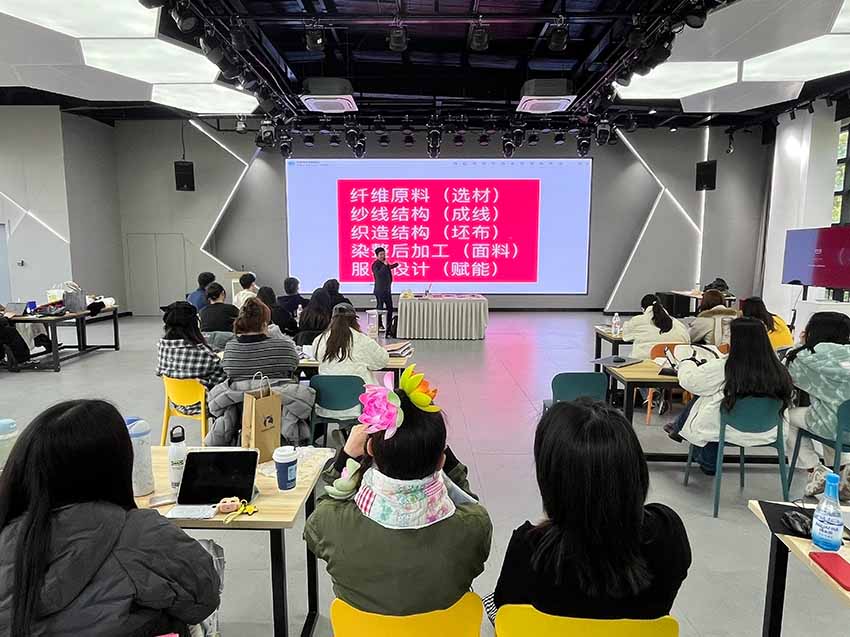
Located in Keqiao, Zhejiang College is embedded in a region with a strong textile, fashion and industrial ecosystem.
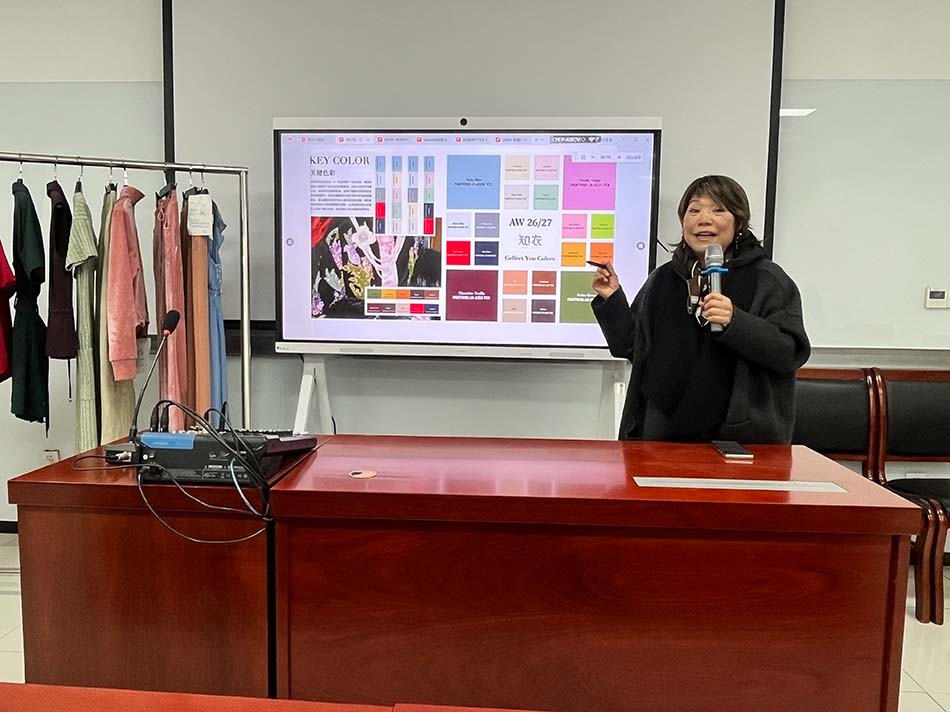
Its Fashion Design education develops expertise in areas including fashion design, textile cultural and creative products, garment design, integrated fabric and clothing design, fashion textile trend research and brand planning.
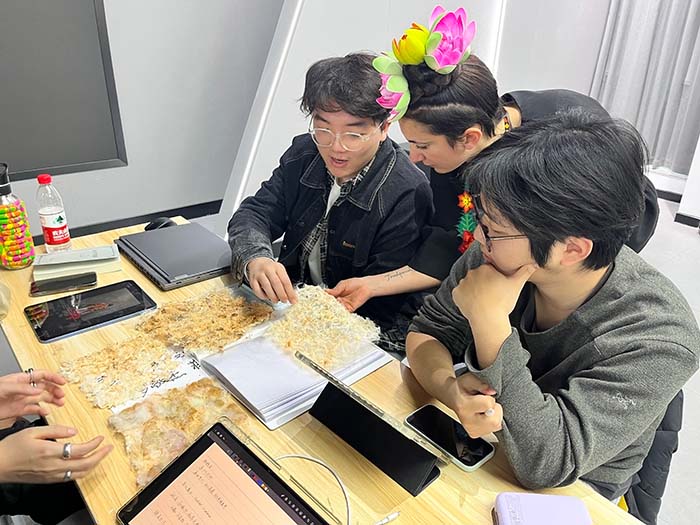
This applied environment allows students to work in close proximity to materials, garment development, textile resources, production, technological applications and industry.
The relationship between education and the local ecosystem creates a particularly strong environment for connecting creative propositions with material and production realities.
LISAA Mode Paris contributes selected modules from its existing Bachelor Fashion Design and Bachelor Fashion Business programs.
These courses introduce complementary expertise in fashion culture, creative methodology, fashion design, visual communication, digital fashion, forecasting, branding, marketing, communication, customer experience, distribution and fashion business.
Together, both institutions create a curriculum in which creative thinking, technical knowledge, digital practices and market understanding reinforce one another.
At the end of the program, students will be able to :
- Develop fashion concepts: Research cultural, visual and market references and transform them into structured creative propositions.
- Understand fashion culture: Situate fashion within historical, artistic, cultural, social and commercial contexts.
- Design and develop fashion propositions: Translate creative intentions into silhouettes, products, collections and coherent design directions.
- Work across physical and digital fashion: Use digital practices in design, visual communication, customer experience and fashion marketing.
- Understand materials and production: Connect creative decisions with textile properties, garment development, prototyping and production realities.
- Build brand identity: Understand the relationship between creative identity, positioning, communication and brand perception.
- Understand consumers and markets: Analyse audiences, behaviours, fashion signals and market contexts and use these insights to inform creative and strategic decisions.
- Communicate fashion: Present creative and strategic propositions clearly through visual, verbal and digital communication.
- Connect collections with markets: Understand how collections interact with marketing, customer experience, distribution and commercial environments.
- Develop fashion-business thinking: Connect product, brand, marketing, digital innovation and business decisions within a coherent fashion strategy.
Program
The Bachelor is structured over four academic years.
The LISAA Mode Paris contribution concerns Years 1, 2 and 3. The 23 LISAA Mode Paris courses constitute a recommended selection pool from which the final introduced courses may be selected for the approved joint curriculum.
They are existing courses drawn directly from the current LISAA Mode Paris Bachelor Fashion Design and Bachelor Fashion Business programs.
Each selected LISAA Mode Paris module is delivered in the following joint-program format:
40 teaching hours, organised as 48 teaching periods of 45 minutes.
Foundations, culture, creation and fashion language
Explore → Understand → Express
The first year establishes a common foundation in fashion creation, visual culture, communication and market understanding.
Students learn to observe, research, express and communicate while developing an initial understanding of fashion as both a creative field and an industry.
Zhejiang College-led curriculum
Zhejiang College provides the foundational artistic, technical and applied learning of the Fashion Design curriculum, drawing on its established expertise in design fundamentals, fashion design, textile and garment development, materials, practical design and applied production knowledge.
Recommended LISAA Mode Paris modules
- Fashion Styling: Creative Approach
- Fashion Illustration
- Graphic Design
- Contemporary Culture
- Fashion Business Histories
- Fashion Marketing Essentials
- Digital Marketing 1
- Fashion Communication Essentials
Creative identity, digital practice and brand positioning
Define → Position → Experience
During the second year, students progress from foundations toward stronger creative identity and more deliberate positioning.
Creative methodology becomes increasingly structured. Digital tools become part of the fashion-development process, while forecasting, brand identity and consumer experience introduce a stronger strategic dimension.
Zhejiang College-led curriculum
Zhejiang College continues to develop the technical and applied dimensions of Fashion Design through its existing curriculum and local industry connections.
Its established areas of expertise include fashion design, garment development, integrated fabric and clothing design, textile product development, applied digital practices, fashion trend research and links with regional industry.
Recommended LISAA Mode Paris modules
- Fashion Styling: Creative Identity
- Creative Methodology
- Pattern Making: 3D Design
- Graphic Design
- Fashion Forecasts
- Brand Identity & Communication
- Fashion Consumer Experience: Store & E-commerce
Collection, brand and market
Direct → Develop → Bring to Market
The third year brings the creative, digital and business dimensions of the program together.
Students develop increasingly coherent fashion propositions and learn to connect collection development with sourcing, brand positioning, marketing, distribution, innovation and business decisions.
Zhejiang College-led curriculum
Zhejiang College continues to provide advanced technical and industry-connected Fashion Design learning through its approved curriculum.
Its location in Keqiao gives students direct proximity to an ecosystem where materials, textile development, product development, production and market applications are closely interconnected.
Recommended LISAA Mode Paris modules
- Collection Impulse
- Fashion Styling: Collection Follow-up
- Eco-Responsible Sourcing
- Collection Marketing
- Strategic & Operational Marketing
- Fashion Trade & Distribution
- Digital Marketing & Fashion Innovations
- Fashion Business Models
Consolidation and graduation
The fourth year is led by Zhejiang College.
It follows the final approved Zhejiang College degree structure and bilateral academic framework, including the requirements applicable to graduation and degree validation.
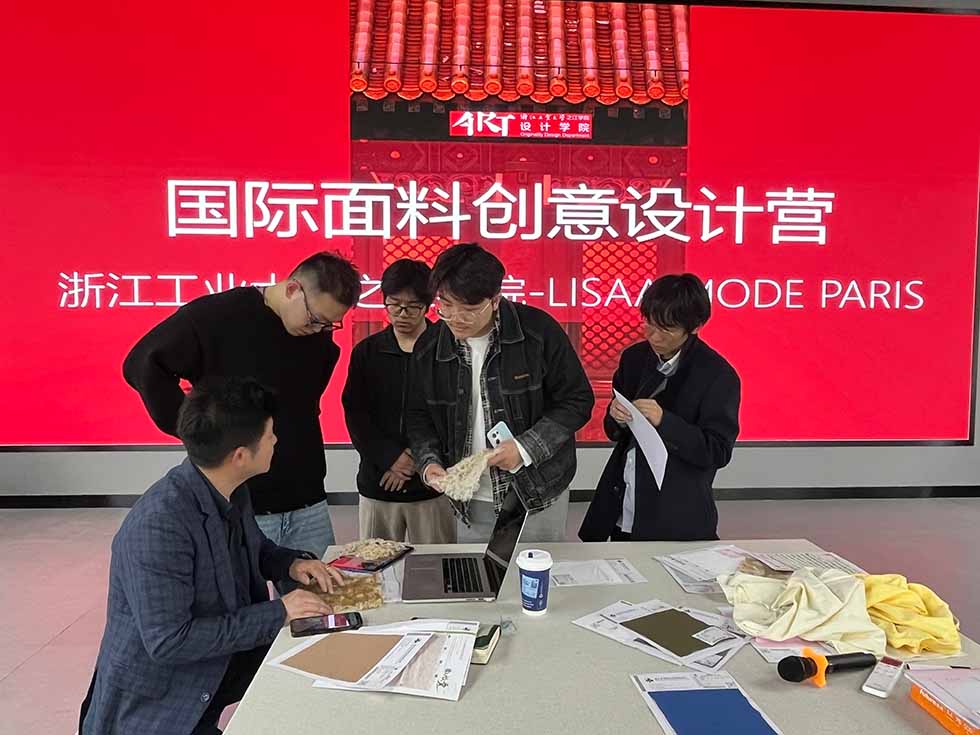
Digital fashion is integrated progressively throughout the Bachelor.
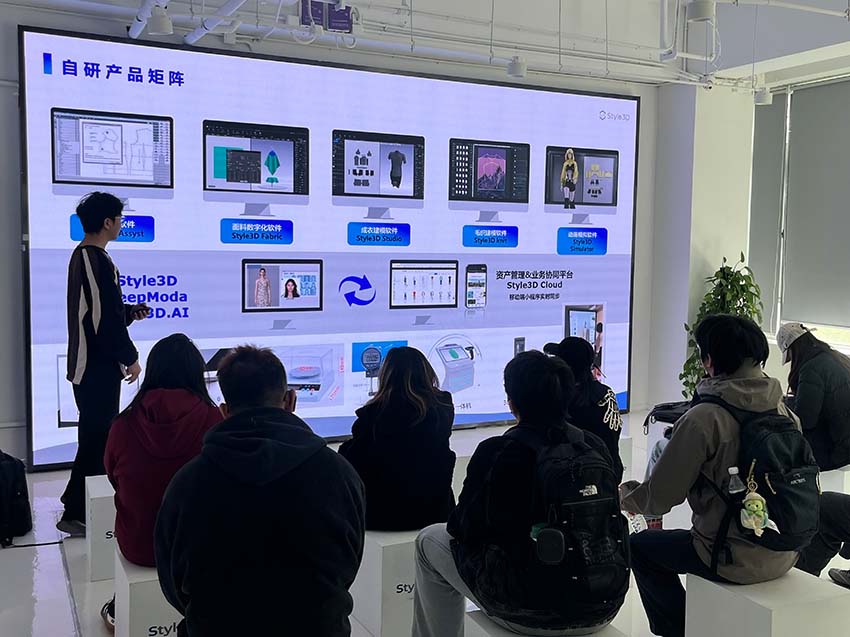
Students encounter digital practices through 3D garment conception, graphic communication, digital marketing, e-commerce, consumer experience and fashion innovation, alongside the technological and applied expertise available within the Zhejiang environment.
Digital practice is therefore understood not as a separate field, but as a dimension increasingly present throughout the fashion value chain.
Fashion culture plays a central role in the program.
Students learn to understand fashion through the relationship between history, culture, design, materials, society and markets.
The Paris contribution introduces fashion history, contemporary culture and international approaches to fashion, branding and communication.
The Zhejiang environment brings students into direct contact with another important fashion context shaped by textile culture, industry, materials, contemporary Chinese fashion and the broader Zhejiang-Keqiao-Hangzhou ecosystem.
The Bachelor benefits from its location in Keqiao, where material and market realities are closely connected.
This provides a strong environment for students to understand how a fashion idea moves through different stages:
Idea → Material → Product → Collection → Brand → Market
Design is developed in relation to material possibilities and real applications, while business and marketing are connected to the concrete realities of products and collections.
The program develops a shared professional language between creation and management.
Students learn that a fashion collection can simultaneously be:
- a creative proposition;
- a product proposition;
- an expression of brand identity;
- a communication tool;
- a market proposition.
This relationship between design and brand management forms the central identity of the Bachelor.
Responsible decision-making is integrated into the development of fashion projects.
Students consider the relationship between materials, sourcing, product development, consumer expectations and brand responsibility.
The objective is to develop a professional approach in which responsibility forms part of creative and strategic decision-making.
The program combines English- and Chinese-language learning within an international educational environment.
Students progressively develop the ability to communicate creative and strategic concepts across cultures, use professional fashion terminology and collaborate in international contexts.
This bilingual environment supports both professional communication and the development of different ways of understanding and articulating fashion projects.