Année Passerelle Mastère Direction Artistique

Program Overview
A transition year to enter the Master’s in Digital Art Direction
This post-Bachelor year has been designed for students who do not yet have the required technical or artistic skills and wish to prepare for entry into the Master’s in Digital Art Direction offered by LISAA.
A comprehensive program
In one year, this program covers the artistic, methodological, and technical fundamentals of graphic design.
From graphic design software to motion design, photography, and UI/UX, you will develop the full range of skills expected at the end of a Bachelor in Graphic Design, while also building your own creative universe.
Objectives of the Bridging Year
Master the fundamentals of graphic design
- Understand and implement a design project methodology (analysis, research, intent, execution)
- Design editorial, print, or digital communication materials
- Develop a critical and strategic approach to graphic design
Develop visual and professional culture
- Identify major movements and key figures in the history of graphic design and art direction
- Structure a coherent graphic proposal within a given cultural and economic context
- Build your creative and professional identity (personal branding, portfolio)
Acquire technical versatility
- Master advanced graphic design tools (Adobe Creative Suite and associated professional tools)
- Explore specialized practices: typography, illustration, photography, 3D, motion design
- Gain an introduction to UX/UI design logic and interactivity constraints
Respond to complex creative briefs
- Design a complete visual identity within an art direction project
- Work on real or simulated client projects, respecting deadlines, budgets, and target audiences
- Present, defend, and showcase your projects before a jury or client
Prepare for entry into the Master’s
- Strengthen a professional portfolio demonstrating the diversity and mastery of your skills
- Acquire the academic standards of higher education in design schools (autonomy, project management, applied creativity)
- Validate the skills required for direct entry into Master’s Year 1 in one of LISAA’s specializations
Program Structure and Schedule
Over two semesters, you will acquire the essential techniques needed to enter the Master’s in Art Direction. You will explore various media, including illustration, motion design, UI design, typography/editorial design, and photo/video, allowing you to refine your future specialization. Your creativity will be stimulated and developed through practical and innovative projects.
UE1 – Core and Creative Studies
UE1.A – History of Graphic Design
UE1.B – Graphic Design & Typographic Culture
UE1.C – Photography
UE1.D – Printed Objects & Layout
UE2 – Technical and Applied Studies
UE2.A – Graphic Design Software
UE2.B – Motion Design
UE2.C – Interface Design (UX/UI)
UE2.D – Visual Identity / Packaging
UE2.E – Distance Learning (FOAD)
UE3 – Professional Development
UE3.A – Partnership: Prix Com Handicap
UE3.B – Legal Framework / Professional Status / Business Development
UE3.C – Industry Talks
UE3.D – Portfolio
UE3.E – CV Workshops / Cover Letter / Professional Communication (Distance Learning)
UE3.F – School Life
UE4 – Graphic Creation Project
UE4.A – Project: Analysis and Research
UE4.B – Project: Creative Concept
UE4.C – Project: Graphic Identity Development + Eco-design
UE4.D – Project: Motion Design
UE4.E – Project: Interface Design
UE4.F – Certification Assessments
Upon completion of this program, students are awarded the following state-recognised professional certification, registered in the French National Directory of Professional Certifications (RNCP):
Concepteur Designer Graphique – IDAA-LISAA – Level 6, registered under RNCP number 40365 by decision of the Director General of France Compétences dated 28 March 2025.
84,5%
Certification success rate for the RNCP qualification Concepteur Designer Graphique (June 2024)
73%
Employment rate six months after graduation (Class of 2023*)
*Most recent employment rate published by France Compétences for RNCP qualification 40365
0,2% Training dropout rate among apprentices during the 2023–2024 academic year, across the IDAA CFA network
Initial track:
Admission to Year 1:
Hold a Level 4 qualification (high school diploma or equivalent, including foreign diploma)
Admission to Year 2:
Hold a Level 4 qualification and have validated 60 ECTS credits in a related field (graphic design, communication, design, etc.)
Admission to Year 3:
Hold a Level 5 qualification or equivalent (including foreign diploma) or have validated 120 ECTS credits in a related field (graphic design, communication, design, etc.)
How to Apply
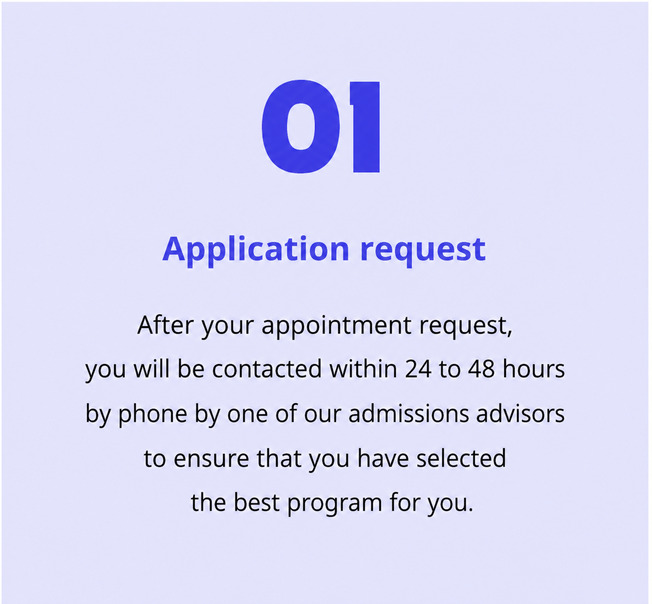
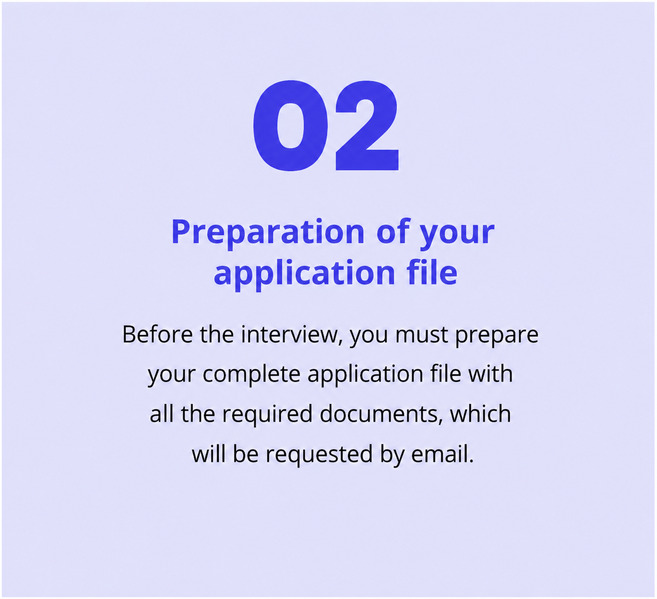
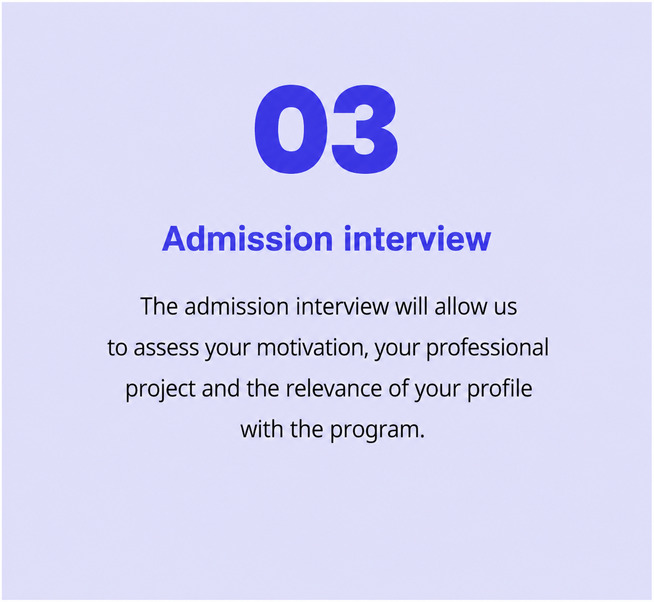
Admission is subject to an interview and the presentation of a portfolio. The interview provides an opportunity to discuss the candidate’s background and ambitions. The objective is to assess motivation and alignment with the specific requirements of art direction.
Applications are open from October to August for a September 2025 intake. Applications are processed within a maximum of three weeks after receipt of a complete file. Enrollment is possible until the start date, subject to availability.
By exception, enrollment may be authorized after the start of the program, following a review of the applicant’s ability to catch up on previously delivered coursework, within a maximum of two months after the program start date.
Full application details are available on the dedicated page.
Tuition Fees
Full details of tuition and fees are available on the dedicated page.
The Bridging Year is a preparatory program designed for students who hold a Bachelor’s degree (Bac+3) but do not yet have the technical and/or cultural foundations in graphic design.
This one-year program (non-certifying) enables students to apply for entry into Year 1 of the Master’s program the following year. Admission is not automatic and remains subject to evaluation by the teaching staff and the academic director during the June assessment board.
First semester
Acquisition of the fundamental skills of graphic design.
Technical training (logo design, layout, image processing, video editing using Adobe Photoshop, Illustrator, Premiere, and InDesign), project methodology, and graphic design culture.
Second semester
Acquisition of more specialized skills (motion design using After Effects, interface prototyping using Figma) and development of a cross-media project mobilizing the skills acquired during the first semester, in order to propose an ambitious global communication project.
The objective is to enter the Master’s program in Year 1 and secure a work-study placement through a strengthened portfolio.
Assessment Throughout the Program
Learning outcomes are assessed through continuous evaluation of projects completed during workshops, creative submissions, and intensive workshops. Each work sequence is subject to a specific assessment, measuring the student’s progress in mastering tools, techniques, and project methodology.
Two academic review boards structure the year:
- A mid-year jury in January to assess acquired skills and adjust the learning path if necessary
- A final jury in June, evaluating the quality of the portfolio, the coherence of the personal project, and the student’s creative maturity with regard to Master’s admission
Assessment for Certification
The award of the Concepteur Designer Graphique – Level 6 (RNCP 40365) qualification is based exclusively on professional simulations, carried out through real or fictional projects and assessed by a certification jury.
Skills are evaluated through concrete deliverables (project files, presentations, visual materials, portfolios), covering all competency blocks of the certification framework:
- Professional simulation based on a graphic creation project (brief analysis, research, planning, budgeting)
- Professional simulation based on a real or fictional graphic creation project (ideation, design, production, deliverables)
- Professional simulation based on a visual identity project (brand guidelines, multi-platform applications)
- Professional simulation based on a motion design project (storyboard, styleframes, final animation)
- Professional simulation based on an interface design project (UX/UI: sitemap, wireframes, interactive mockups)
- Professional simulation based on a professional development project (positioning, business development, online presence, portfolio)
Each simulation is assessed according to the criteria defined in the certification framework: quality of analysis, relevance of creative choices, technical mastery, clarity of deliverables, compliance with technical and regulatory constraints, etc.
A mandatory internship and a final-year project also contribute to evaluating the candidate’s ability to integrate into the professional environment.
Necessary accommodations may be implemented for candidates with disabilities, in accordance with the certification framework and upon recommendation of the disability advisor.
Certification is awarded upon validation of all competency blocks.
Validation of Individual Competency Blocks
In the event of failure to obtain the full certification, validated competency blocks remain acquired.
The program is based on an active, immersive, and professionally oriented pedagogy.
Teaching is delivered through practical courses, supervised projects, and intensive workshops held over consecutive days to ensure deep mastery of tools and creative processes. This approach encourages experimentation, collaborative work, and the development of a personal creative approach.
All instructors are active professionals from the fields of graphic design, art direction, digital media, or illustration. Their professional experience ensures up-to-date teaching and direct insight into the realities of the graphic design industry.
If you have already obtained an RNCP qualification of a similar level and specialization elsewhere and are interested in our qualification, you may request full or partial advanced standing.
Applications must be submitted via the contact page.
No official pathways toward another certification are предусмотрed within the framework of this professional certification.
After successfully completing the Bridging Year, students may enter the Master’s in Art Direction and specialize in Year 1 or Year 2 in one of the following tracks:
- UX Design: user experience design
- 360° Communication: digital and print media
- Motion 2D/3D: 2D/3D motion graphics (C4D)
- Brand Content: content creation for brands
- Concept & Typography: development of an innovative visual language
- Eco-responsible Communication: digital inclusivity, CSR, equality, and eco-design
Students may also access the Master’s in Digital Communication 4.0.
Graduates in graphic design work across all sectors of the economy, including retail, industry, healthcare, culture, education, events, communication, tourism, services, luxury, transport, automotive, banking, and insurance.
Art Director Creative Director Brand Designer Graphic Designer UX Designer UI Designer Web Designer Motion Designer
Graphic Designer Typographer Illustrator Graphic Artist Layout Designer Design Consultant
Founder or Director of a Design or Communication Agency
Head or Director of Communication