An exclusive cohort. An accelerated pathway. The same creative standards.
Why wait until next September to start shaping your future? The February intake for the Bachelor in Fashion Design at LISAA Mode Paris allows you to begin your studies in February 2027. This intensive first year, taught entirely in English, prepares you to progress to the second year at the start of the following academic year.
With a cohort limited to 25 students, you benefit from individual attention and dedicated support to develop your creative identity. Through hands-on learning, creative projects and the development of your own portfolio, this accelerated pathway offers the full richness of the LISAA Mode experience in an international environment.
Start date: February 2027 · Taught in English
Define your creative identity. Build your future in fashion.
Join the Bachelor in Fashion Design at LISAA Mode Paris in September 2027 to learn how to bring your ideas to life and develop your own creative vision. From the initial concept to the finished garment, you explore fabrics, shapes and techniques to develop your approach to design.
Through hands-on learning, creative projects and guidance from industry professionals, you progressively build a solid foundation in fashion design. With each project, you expand your portfolio and refine your career goals.
Start date: September 2027
Bachelor Fashion Design Overview
3 years to launch your career in fashion creation
This three-year program trains you to design and develop complete fashion collections. After a first year of core studies, you will choose a specialization in a specific field of fashion design: 3D design, knitwear, eco-responsible textile design, or pattern making.
By the end of the program, you will be able to manage the development of a collection from concept to final presentation, while addressing the challenges shaping the future of the fashion industry.
A program combining theory, technique and creativity
Drawing, sewing, embroidery. From traditional craftsmanship to digital tools, you will learn the full range of techniques required to design and construct garments.
Beyond technical mastery, our experimentation-based pedagogy encourages you to develop your own creative language and define your personal signature.
Who is this program for?
If you are passionate about fashion trends and eager to bring your creative ideas to life, this program is designed for you.
You will acquire the skills needed to sketch, construct and produce your own designs.
We provide access to professional tools and techniques in a structured and supportive environment, ensuring that each creation reflects your unique style.
Technical excellence serving creativity
This specialization trains you to design and construct collections featuring complex and innovative volumes and structures. You will refine your style while developing strong technical expertise in sewing, pattern drafting and draping.
Meeting the needs of fashion houses
This Bachelor responds to a clearly identified industry demand. Designers who understand the technical constraints of garment construction are highly valued by recruiters and stand out in the job market.
Innovation meets tradition
From Year 2, you will learn to create both virtual and physical collections. You will develop strong expertise in advanced 3D design tools while maintaining mastery of traditional techniques.
A highly sought-after specialization
By choosing this path, you position yourself at the forefront of fashion innovation. Your command of cutting-edge technologies will make your profile particularly attractive within the industry.
Textile expertise
This specialization prepares you to become a textile-focused fashion designer. You will learn to develop color palettes and material ranges based on research, and to create textile pattern collections applied to fashion products within a sustainable framework.
Innovation combined with craftsmanship
The program blends innovation with craftsmanship, combining advanced technological tools and hands-on techniques. You will personalize your creations through various textile enhancement methods while addressing sustainability challenges in the industry.
A passion for making
This specialization is designed for students with a strong interest in the craft dimension of fashion, particularly texture and knit construction. From Year 2, you will develop in-depth knowledge of fibers and material development.
A valued expertise
The program combines traditional techniques with innovative research, enabling you to develop a complete fashion collection. This comprehensive profile is particularly sought after in the fashion sector.
Program in Paris
The program runs over 3 years (6 semesters) with the following teaching volumes:
- Year 1: 651 hours
- Year 2: 703 hours
- Year 3: 664 hours
This total includes in-person teaching hours and e-learning modules, as well as time dedicated to assessments, group work and workshops.
Additional events related to the fashion industry, such as conferences, speed recruiting sessions and professional sector events, are organized throughout the year and complement the teaching hours listed above.
UE_STY1 – Responsible Fashion Design – Level 1
- Fashion design – Creative approach — 118h — 10 ECTS
- Creative process — 6h — 0 ECTS
- Design — 24h — 0 ECTS
UE_LABO1 – Eco-Design – Level 1
-
Modelism – Tracing — 46h — 8 ECTS
- Modelism – Assembly — 60h — 8 ECTS
- Modelism – 3D Conception — 28h — 4 ECTS
- Textiles – Surface design — 60h — 7 ECTS
- Textiles – Fibers and materials — 46h — 2 ECTS
UE_GRAPH1 – Graphic resources & artistic expression – Level 1
-
Live drawing — 42h — 3 ECTS
- Fashion Illustration — 30h — 3 ECTS
- Graphic design — 55h — 5 ECTS
UE_CULT1 – Fashion culture and business – Level 1
- Contemporary culture — 54h — 2 ECTS
- Marketing — 36h — 6 ECTS
UE_PRO1 – Professionalization Level 1
- Juries and exams — 25h — 2 ECTS
- Impact: Ecological transition — 21h — 0 ECTS
Total Year 1
651h — 60 ECTS
UE_STY2 – Responsible Fashion Design – Level 2
- Fashion design – Creative identity — 126h — 10 ECTS
- Workshop – Accessory — 24h — 0 ECTS
- Creative methodology — 30h — 0 ECTS
- Design — 24h — 0 ECTS
UE_LABO2 – Eco-Design – Level 2
- Modelism – Tracing & Volume — 58h — 7 ECTS
- Modelism – Assembly & Finishing — 60h — 7 ECTS
- Modelism – 3D Conception — 32h — 4 ECTS
- Textiles – Surface design — 40h — 6 ECTS
- Textiles – Wardrobe and materials — 55h — 4 ECTS
UE_GRAPH2 – Graphic resources & artistic expression – Level 2
- Live drawing (additional course) — 5h — 0 ECTS
- Workshop – Fashion Illustration — 12h — 3 ECTS
- Graphic design — 48h — 7 ECTS
UE_CULT2 – Fashion culture and business – Level 2
- Marketing & E-Marketing — 36h — 5 ECTS
- Brand DNA — 32h — 2 ECTS
UE_PRO2 – Professionalization – Level 2
- Juries and exams — 12h — 2 ECTS
- Impact: Ecological transition — 21h — 0 ECTS
UE_COMP2 – Specialization options (choose 1)
- Specialization in Modelism — 88h — 3 ECTS
- Specialization in Textile Design — 88h — 3 ECTS
- Specialization in Knitwear Design — 88h — 3 ECTS
- Specialization in 3D Design — 88h — 3 ECTS
Total Year 2 / 703h — 60 ECTS
UE_STY3 – Responsible Fashion Design – Level 3
- Collection impulse — 120h — 7 ECTS
- Fashion design – Collection follow-up — 62h — 7 ECTS
- Fashion design – Photo — 12h — 0 ECTS
- Fashion design – Accessory — 12h — 0 ECTS
UE_LABO3 – Eco-Design – Level 3
- Modelism – Prototypage — 122h — 12 ECTS
- Modelism – 3D Conception — 40h — 6 ECTS
- Textiles – Surface design — 30h — 6 ECTS
- Eco-responsible sourcing — 30h — 6 ECTS
UE_GRAPH3 – Graphic resources & artistic expression – Level 3
- Fashion Illustration (additional course) — 6h — 0 ECTS
- Graphic design — 32h — 4 ECTS
UE_CULT3 – Business – Level 3
- Collection marketing — 40h — 6 ECTS
UE_PRO3 – Professionalization – Level 3
- Title evaluation — 21h — 2 ECTS
- Impact: Ecological transition — 21h — 0 ECTS
- Coaching – Posture & oral (additional course) — 12h — 0 ECTS
UE_COMP3 – Specialization options (choose 1)
- Specialization in Modelism — 104h — 4 ECTS
- Specialization in Textile Design — 104h — 4 ECTS
- Specialization in Knitwear Design — 104h — 4 ECTS
- Specialization in 3D Design — 104h — 4 ECTS
Total Year 3
664h — 60 ECTS
Program in Nantes
The Bachelor program takes place over 3 years (6 semesters), including a Foundation Year in Applied Arts at LISAA Nantes.
The teaching hours are distributed as follows:
- Year 1: 610 hours
- Year 2: 621 hours
- Year 3: 623 hours
Total: 1,854 hours
This volume includes in-person classes, e-learning, assessments, group work, and workshops.
Additional events related to the program (conferences and professional events within the fashion industry) are organized throughout the year and are added to the hours listed above.
610 hours
General Courses
- Drawing
- Life drawing
- Outdoor sketching
- Color studies
- Drawing techniques
Art History & Creative Methodology
- Art history
- Experimental creative process
- Project methodology
- Architecture & design
Architecture Studio
- Volume studies
- Staging & composition
- Spatial perception
- History of architecture and design
- Specialized English
Graphic Design
- Graphic design studio
- Micro-publishing
- Packaging
- Photography
- History of graphic design
- Specialized English
- Applied semiotics
Fashion
- Fashion studio
- Volume studies
- Technical drawing
- Applied creative process
- History of fashion
- Specialized English
Assessment
- End-of-year project / jury
- Workshop
621 hours
Fashion Design
- Artistic culture & current fashion trends
- Conceptualizing and communicating an art direction
- Developing and defending creative concepts
- Developing tools for collection research and development (accessories / garments)
- Mastering drawing tools to support collection development
- Defining a personal graphic identity
- Reflecting on the body
Marketing
- Introduction to marketing
- Competitive brand analysis and brand DNA identification
- Understanding company values
Textile Design & Color
- Developing material expertise through knit, weaving, and digital tools (embroidery machine, laser cutting, 3D printing)
- Developing expertise in color, screen printing, and pattern creation
- Exploring the object: materials, color, function and usage
Pattern Making – Textile Science
- Introduction to garment construction and sewing techniques
- Textile material analysis
- Advanced technical exercises and garment detailing
- Pattern cutting and draping techniques
- Understanding volume and garment structure
Digital Design
- Using digital tools to produce professional portfolios
- Developing a coherent visual identity
- Mastering image editing tools
Communication Skills
- Mastering written and oral expression
- Communicating in a foreign language
- Analyzing and discussing projects
- Introduction to photography tools
Intersection Workshop
623 hours
Fashion Design
- Identifying and analyzing fashion trends
- Designing a trend book / inspiration support
- Defining the creative direction of a collection
- Designing collection pieces
- Developing a collection plan
Marketing
- Analyzing brand positioning
- Developing a creative brief
Textile Design & Color
- Selecting fabrics, materials, patterns and printing processes in line with mood boards
Workshops
- Developing creative inspiration
- Portfolio development
Pattern Making – Textile Science
- Material sourcing
- Creating technical sheets for prototypes
- Supervising pattern development
- Proposing adjustments and corrections during prototype production
- Selecting suppliers
Digital Design
- Producing a portfolio and lookbook aligned with your visual identity
Specialization
- Knitwear
- Weaving
- Screen printing
Communication Skills
Presenting and defending a collection to creative, marketing, communication and sales teams
Designing the storytelling of the collection presentation
Intersection Workshop
Study in English – International Track
Studying your program in English is a major asset in the fashion and luxury ecosystem.
- This industry offers opportunities in new international markets.
- It provides access to a wide range of roles within fashion groups.
- It facilitates geographic mobility within internationally recognized luxury houses.
- It encourages richer multicultural exchanges, as English is the common language of the global fashion industry.
Upon completion of the program, you will be awarded the following state-recognized certification registered with the Répertoire National des Certifications Professionnelles (RNCP):
Styliste Designer de Mode – IDAA-LISAA, LOCOMOTIVE – Level 6, Registered under RNCP number 39089 by decision of the Director General of France Compétences on May 31, 2024.
93,5%
Certification success rate*
*This corresponds to the success rate of the previous RNCP certification (RNCP 35659), replaced by the current certification.
86%
Graduate employment rate 6 months after graduation (2022)
The program combines multiple teaching approaches to ensure students acquire all the competencies validated by the targeted certification.
The pedagogy is designed to guide, empower and progressively foster student autonomy through a variety of learning formats:
- Lectures: theoretical foundations and conceptual frameworks
- Flipped classroom: students prepare a topic in advance, which is then explored and developed in depth during in-person sessions
- E-learning: access to online modules and tutorials via the Blackboard Learn platform
- Blended learning: digital resources complement face-to-face teaching
- Workshops: intensive short-format programs focused on a specific theme or competency
- Project-based learning: long-term cross-disciplinary projects developed across multiple subjects and sometimes in collaboration with partner schools
- Case studies: real business challenges provided by partner companies, reflecting actual industry needs
- Independent study time: scheduled periods dedicated to personal work and project development
- Professional development support: a dedicated team assists students throughout the year, with conferences and industry-focused talks regularly organized
Most courses are delivered on campus, using diverse teaching approaches detailed in each course syllabus (UE). The syllabus specifies learning objectives, teaching methods, assessment formats and evaluation criteria.
Faculty members guide students throughout their projects and assessments. For Blackboard Learn, technical support is provided by the in-house Digital Learning Manager, ensuring full access to all educational resources and materials.
Instructors are encouraged to upload course materials to Blackboard Learn, making them available to students throughout the year.
Academic support is provided by the Head of Program and/or the Academic Coordinator.
This Bachelor responds to clearly identified industry needs within the fashion sector. Designers who master and understand garment construction are highly valued by recruiters and stand out in the job market.
You will experience this strong industry demand firsthand through projects developed in partnership with leading fashion brands throughout your studies.
To help you bring your projects and collections to life, the campus provides high-end professional equipment:
- 4 pattern-making studios, each equipped with 35 sewing machines and 35 dress forms
- A garment assembly room
- A knitwear workshop
- A digital embroidery machine
- A FabLab (laser cutting, plotter printer, textile sublimation printer)
- A screen-printing workshop
- A photo and video studio
- High-performance computers for 3D design software
You will also have access to advanced professional software:
- Adobe Creative Cloud
- CLO 3D design license
- WGSN trend forecasting platform
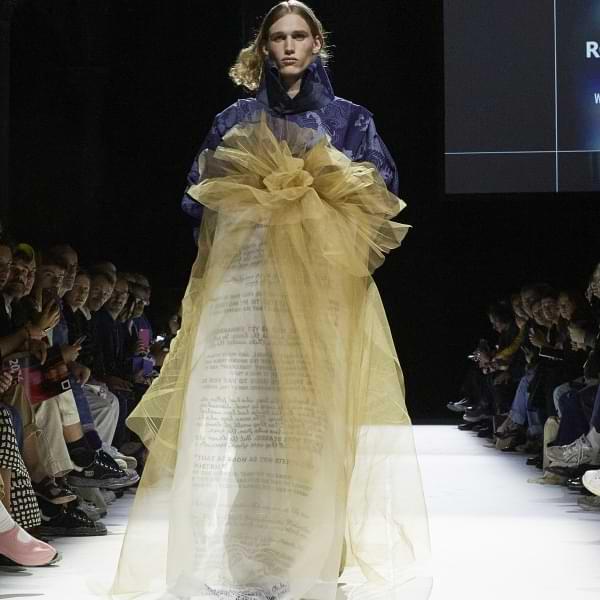
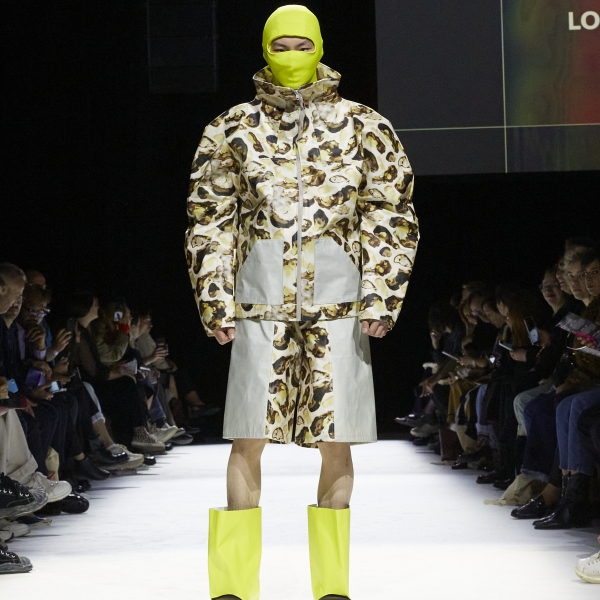
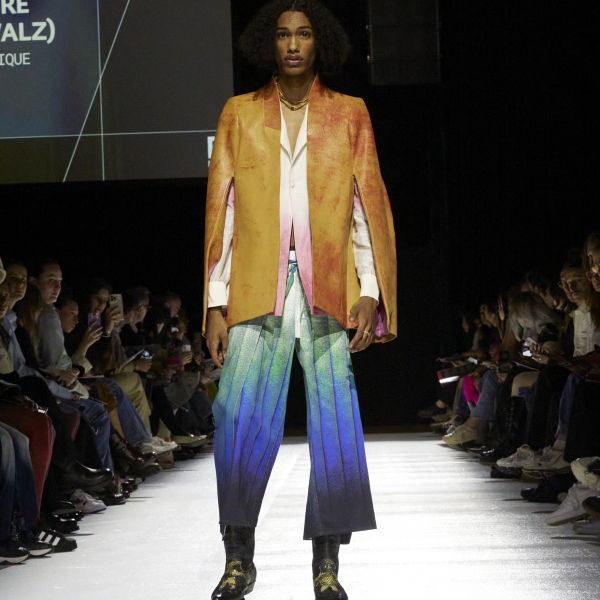
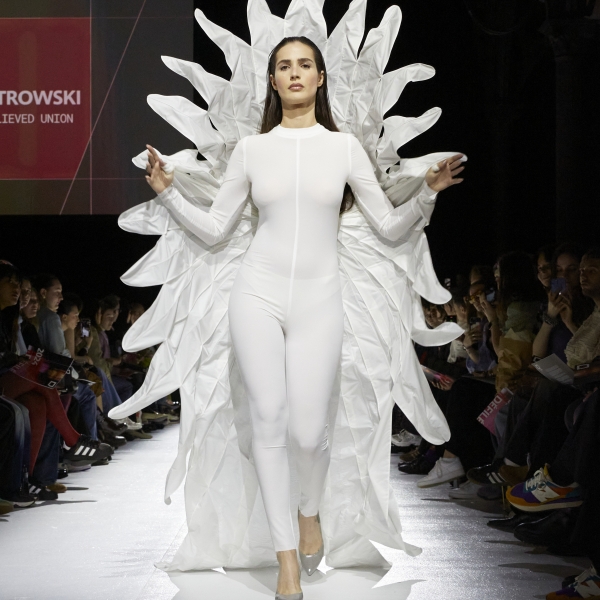
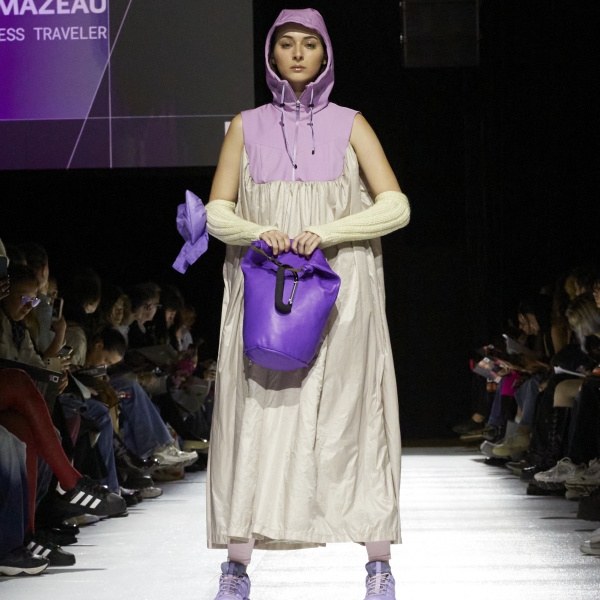
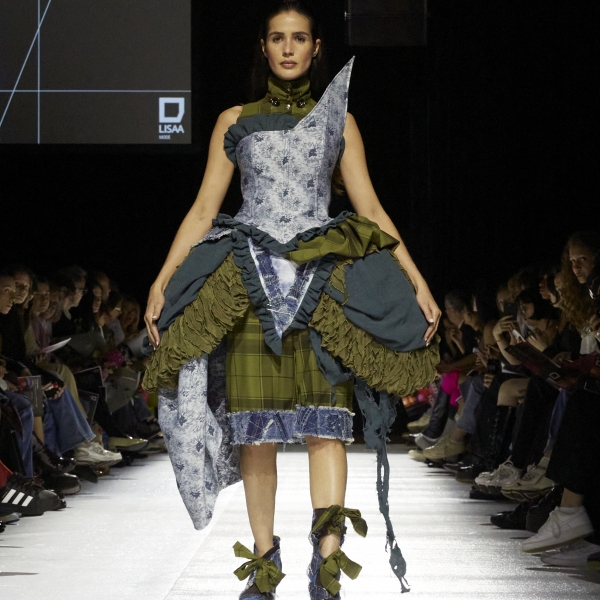
At LISAA, supporting and showcasing each student’s creativity is at the heart of our mission. Below is a selection of projects created within the Fashion Design program at LISAA Paris that we are proud to share.
Admission Requirements
Initial program
Admission to Year 1
Applicants must hold a Level 4 qualification, a high school diploma (Baccalaureate), a DAEU, or an equivalent qualification (including foreign diplomas).
Admission to Year 2
Applicants must hold a Level 4 qualification, a high school diploma (Baccalaureate), a DAEU, or an equivalent qualification (including foreign diplomas), and have validated 60 ECTS credits in the field of fashion or fashion design.
Admission to Year 3
Applicants must hold a Level 5 qualification, a two-year higher education diploma, or an equivalent qualification (including foreign diplomas), or have validated 120 ECTS credits in the field of fashion or fashion design.
Specific exemptions
If applicants do not hold the required diploma or professional experience, they must submit a portfolio demonstrating their ability to successfully complete the certification. This may include evidence such as professional experience, employer attestations, or other documentation proving the acquisition of relevant skills. This process is comparable to a mixed Recognition of Prior Learning procedure.
How to Apply
The program is accessible subject to approval by the admissions team following a review of the application file (verification of admission requirements and, where applicable, ECTS credits obtained), and an interview to assess and validate the alignment of the applicant’s profile with the career paths targeted by the program.
The interview focuses on:
- The alignment between the applicant’s career goals and the program
- The applicant’s interest in the fashion industry
- Artistic and graphic sensitivity
Tuition Fees
Full details regarding tuition and associated fees are available on the dedicated Fees page.
Application Timeline
Admissions are open from October to August for a September intake. Applications are processed within a maximum of three weeks after receipt of a complete file. Enrollment remains possible until the start date, subject to availability.
Exceptionally, late enrollment may be authorized after the program has started, provided the candidate demonstrates the ability to catch up on coursework. This is possible within a maximum of two months after the program begins.
See full application procedures.


Throughout the Bachelor program, students develop a strong creative culture and acquire the skills required to design and produce fashion collections through an innovative, professional and responsible approach.
The learning objectives are as follows:
- Learn how to build inspiration boards, including mood boards and trend books, using both digital and traditional tools
- Define a creative brief aligned with a brand universe and stylistic positioning
- Structure a fashion collection from creative research to the final collection plan
- Select fabrics, materials, prints and color palettes while integrating sustainability and responsible sourcing considerations
- Develop fashion drawing skills, both by hand and using specialized software such as Adobe and CLO3D
- Identify, analyze and integrate fashion trends into the creative process
- Manage the development of a collection, including organization, scheduling, production follow-up and prototyping
- Present and defend a collection to different audiences such as internal teams, buyers, partners and industry professionals
On-campus courses are delivered either to the full class or in option-based groups, within the school’s facilities. The timetable is provided during the September orientation period so that each student can organize their schedule effectively.
Online courses are delivered through the dedicated Blackboard Learn platform. Students are informed of course availability via email from professors or the academic team, or during on-campus sessions. E-learning sessions are also included in the official timetable.
Schedules are designed in a non-linear format to better prepare students for professional environments.
Students may work with several instructors within the same Unit, allowing them to benefit from multiple perspectives on their projects throughout the year.
Learning objectives and assessment criteria, whether certification-based or pedagogical, are presented at the launch of each project within the relevant subject.
The program relies on a variety of teaching methods to ensure that students acquire all the competencies required for certification:
- Lectures for theoretical foundations
- Flipped classroom sessions, where students prepare a topic in advance and develop it further during on-campus classes
- E-learning modules and tutorials available through Blackboard Learn
- Blended learning, where online content complements in-person teaching
- Workshops, offering intensive short-term programs focused on specific skills or certification competencies
- Project-based learning across multiple subjects and sometimes in collaboration with partner schools
- Practical case studies based on real briefs from partner companies, addressing professional challenges
- Independent work periods built into the timetable to allow students to deepen their projects autonomously
- Professional development support through a dedicated team and industry-focused conferences
In-person teaching methods are detailed in each Unit syllabus and reflected in the pedagogical progression plan. Delivery methods, monitoring processes, assessment formats and evaluation criteria are communicated to instructors and graders through the syllabus. Faculty members guide students throughout the development and evaluation of their work.
For Blackboard Learn, technical support is provided by the school’s digital learning manager, ensuring access to all learning materials and resources.
Faculty members are encouraged to upload course materials to Blackboard Learn to ensure continuous access for students throughout the year.
Academic support is provided by the Head of Program and the academic coordinator.
Students also benefit from the following facilities and services:
- A photo studio and dedicated computer rooms
- Fablabs including a textile enhancement workshop with laser cutting, digital embroidery machines, plotter printers, presses and sublimation printers, an accessories workshop, a knit workshop and a screen-printing studio
- Pattern-making studios equipped with sewing machines, overlock machines and coverstitch machines, accessible throughout the year for independent practice
- Three technical supervisors specialized in garment assembly, knit and textile enhancement, available by appointment
Assessment methods include:
- A collection development project based on a real or fictional fashion collection brief
- Professional simulations focused on the modeling of a fashion collection
- Professional simulations focused on the production of a fashion collection
- Professional simulations based on the promotion of a fashion collection
Each competency block is capitalizable. Certification is awarded upon validation of all blocks. In the case of equivalency, whether through Recognition of Prior Learning or validation of a competency block or equivalent certification, it is the candidate’s responsibility to present the equivalency to the jury for approval.
If you have already obtained an RNCP certification of a similar level and specialization, you may request full or partial advanced standing. Applications must be submitted via the contact page.
No official pathways are available within the framework of this certification.
You may continue your training as a Fashion Stylist / Designer with the following programs:
- The Master’s in Fashion Design and Brand Creation at LISAA Mode
- The Master’s in Collection Development and Fashion Design at LISAA Nantes
- The International Fashion Director Master’s, whose second year takes place at NABA in Milan
If you wish to orient your career toward Fashion Business, you may also pursue one of the Master’s programs offered by LISAA in e-learning or through work-study:
- The Master’s in Fashion and Luxury Management
- The Master’s in Digital Marketing and Communication
- The Master’s in Fashion Marketing and Eco-Responsibility
- The Master’s in Fashion Business and Luxury Management
- The International Fashion Marketing Master’s, whose second year takes place at Regent’s University in