Bachelor’s Degree in Graphic Design Overview
Three years to become a graphic designer
The Bachelor’s Degree in Graphic Design is a three-year program, beginning with a multidisciplinary foundation year. It prepares students to become generalist graphic designers, capable of working across a wide range of media, including print, illustration, packaging, and interactive media.
A comprehensive program combining creativity and strategy
Students learn to apply their graphic language, artistic vision, and technical and creative skills to client projects. The program focuses on defining visual communication strategies and producing meaningful visual content that conveys clear messages.
Upon completion of the program, students are awarded a state-recognised Level 6 qualification (RNCP 40365). Graduates are ready to enter the graphic design industry as creative, versatile, and operational professionals, equipped to evolve in a sector driven by constant technological innovation.
A multi-technique specialisation
This specialisation encourages students to explore, develop, and refine their potential as graphic authors. It focuses on building a strong narrative approach and a distinctive illustrative style, while developing authorship skills. The program is supported by technical and technological training to ensure the production and dissemination of creative projects.
Strong career opportunities
Illustration is present across many sectors. Depending on personal interests and professional opportunities, graduates may pursue careers in narrative illustration (publishing), applied illustration (media and communication), or animated illustration (animation studios).
A specialisation focused on animated graphic design
Students explore the fundamentals of motion design to express and enhance visual concepts through movement. The program covers both software mastery (including Animate and After Effects) and motion-oriented graphic design. This specialisation has become essential in contemporary visual communication.
Highly sought-after skills
In an image-saturated world where capturing attention is increasingly challenging, animated content plays a central role in brand and studio communication strategies.
Combining creativity and strategy
This specialisation strengthens skills in image and sign creation, enabling students to build strong, coherent visual identities.
Key skills to stand out
By focusing on understanding client needs and market expectations, this track prepares students to translate ideas into impactful multi-platform visuals. These skills are particularly valued by advertisers and communication agencies seeking relevant and effective messaging.
This specialisation develops a 360-degree creative approach, combining multimedia and cross-media skills. Students learn to adapt graphic design practices across various formats, including digital media such as motion design as well as print.
Throughout the three-year program, students develop technical and creative expertise in typography, layout, illustration, and visual identity, while mastering professional tools and software used in the graphic production workflow.
Enhanced through practical projects, workshops, and professional experience via internships and work-study options, the program emphasises learning through hands-on practice.
Graduates are prepared to create impactful visuals and meet the diverse needs of communication agencies, publishing houses, and graphic design studios.
Paris Program
Unit 1 – Theoretical and Cultural Studies
- Art History
- History of Graphic Design
Unit 2 – Core Creative Studies
- Graphic Design Basics
- Creative Lab
- Creative Process
- Personal Project
Unit 3 – Technical and Applied Studies
- Illustration Basics: Drawing and Visual Storytelling
- Motion Basics: Introduction to Animated Design
- Photography and Studio Practice: Lighting and Composition
- Creative Suite: Adobe and Professional Tools
- Generative AI
Unit 4 – Professional Development
- Creative Challenge
- Industry Talks
- Online Creative Tools (distance learning)
- Foreign Language (distance learning)
- School Life
Unit 5 – Fundamental Artistic Practice
- Drawing: Composition and Applications
- Life Drawing
- Sketching and Perspective
- Color Lab
Unit 1 – Theoretical and Cultural Studies
- Graphic Design Culture
- Semiotics
Unit 2 – Core Creative Studies
- Graphic Design: Concepts and Visual Identity
- Typography: Type Design
- Creativity and Ideation Techniques
- Portfolio Certification Assessment
Unit 3 – Technical and Applied Studies
- Illustration Essentials: Drawing and Narrative
- Motion Essentials: Animated Storytelling
- UX and UI Essentials
- Photographic Design
- Visual Communication and Infographics
- Fabrication Workshop
Unit 4 – Professional Development
- Legal Framework, Professional Status, and Client Acquisition
- Professional English
- School Life
- Industry Conferences
- Specialisation Professional Portfolio
- Professional Communication (distance learning)
- CV, Portfolio, and Cover Letter Workshops
Unit 5 – Specialisation (choice of track)
Illustration
- Narrative Illustration Composition
- Creative Lab
- Press Illustration
Visual Communication
- 360° Communication
- Print Lab: Editorial and Design
- Advanced Motion: Storytelling and Production
- Advanced UX and UI: User Experience and Navigation
Motion Design
- 3D Basics Studio
- Motion Essentials: Animated Storytelling
(Motion Design specialisation: 626 hours)
Unit 1 – Theoretical and Cultural Studies
- Contemporary Graphic Design
- Marketing Strategy (distance learning)
Unit 2 – Core Creative Studies
- Advanced Graphic Design
- Branding and Packaging
- Graphic Design Creation Project
- Certification Assessments
Unit 3 – Technical and Applied Studies
- Advanced Illustration
- Advanced Motion: Storytelling and Production
- Advanced UX and UI Design
- Fabrication Workshop
Unit 4 – Professional Development
- Legal Framework, Professional Status, and Client Acquisition
- Professional English
- School Life
- Industry Conferences
- Specialisation Professional Portfolio
- Professional Communication (distance learning)
- CV, Portfolio, and Cover Letter Workshop
Unit 5 – Specialisation (choice of track)
Visual Communication
- 360° Communication
- Print Lab: Editorial and Design
- Advanced Motion: Storytelling and Production
- Advanced UX and UI: User Experience and Navigation
Illustration
- Graphic Novels and Comics
- Editorial Design and Printed Objects
- Advanced Motion: Storytelling and Production
- Children’s Illustration
Motion Design
- Editorial Design and Printed Objects
- Advanced Motion: Storytelling and Production
- 3D Studio and Motion Design
- Sound Design
Nantes Program
General Studies
Drawing
- Drawing
- Life drawing
- Outdoor sketching
- Colour
Drawing Studies
- Art history
- Experimental creative process
- Project methodology
- Architectural design
Architecture Workshop
- Volume
- Staging and composition
- Spatial perception
- History of architecture and design
- Specialised English
Graphic Design
- Graphic design workshop
- Micro-publishing
- Packaging
- Photography
- History of graphic design
- Specialised English
- Applied semiotics
Fashion
- Fashion and styling workshop
- Volume
- Technical drawing
- Applied creative process
- History of fashion
- Specialised English
Assessment
- End-of-year project and juries
- Workshop
Image and Communication Culture
- History of graphic design
- Semiotics
Production Methods and Techniques
- Computer graphics
- Photographic design
- Fabrication workshop
- Study models and storyboards
- Applied creativity
Professional Creation Studio
- Illustration
- Typography
- Graphic design
- Introduction to motion design
- Introduction to UI and UX
Professional Integration
- Portfolio and personal branding
- Certification assessment
Optional specialisation
Image and Communication Culture
- Contemporary graphic design
- Marketing
Applied Media
- Motion design and animated media
- UX and UI design
- Professional creation studio
Visual Identity and Packaging
- Graphic design
- Illustration
Final Project
Project methodology
- Certification assessment
Professional Integration
- Legal framework and professional status
- Business development
Optional specialisation
Rennes Program
Fundamental Artistic Studies
- Observational drawing
- Life drawing
- Colour
- Outdoor sketching (plus MCR)
Cultural and Creative Studies
- Art history
- Creative process and experimentation
- Methodology
- English
Graphic Design
- Graphic design workshop
- Graphic design culture
- Computer graphics
- Digital drawing
- Semiotics
Illustration Techniques
- Illustration techniques workshops
- Documentary research
- Volume
- Narrative illustration
Narrative Illustration
- Narrative illustration workshop
- Illustration culture
- MCR – Conventional modes of representation (plus outdoor sketching)
Portfolio and Personal Project
Assessment
- Juries
- Workshop
- Individual mentoring
Image and Communication Culture
- History of graphic design
- Semiotics
Production Methods and Techniques
- Computer graphics
- Photographic design
- Fabrication workshop
- Applied creativity
- Professional creation studio
Illustration
- Typography
- Graphic design
- Introduction to motion design
- Introduction to UX and UI
Professional Integration
- English
- Portfolio and personal branding
- Certification assessment
Specialisation: Illustration
- Narrative illustration
- Applied illustration
- Illustration culture
Specialisation: 360° Creative Design
- Author-driven design
- Motion design
Image and Communication Culture
- Contemporary graphic design
- Marketing
Applied Media
- Motion design and animated media
- UX and UI design
- Professional creation studio
Visual Identity and Packaging
- Graphic design
- Illustration
Transversal Graphic Design Project
Project methodology
- Certification assessment
Professional Integration
- English
- Business development
- Legal framework of professional activity
Specialisation: Illustration
- Narrative illustration
- Applied illustration
Specialisation: 360° Creative Design
- Author-driven design
- Motion design
Strasbourg Program
Fundamental Artistic Studies
- Drawing
- Life drawing
- Outdoor sketching
- Colour
Cultural and Creative Studies
- Art history
- Creative process and experimentation
- Project methodology
- Foreign language
Architecture Studies
- Case study and documentary research: building roughs and objects
- Architecture and design workshop
Graphic Design Studies
- Case study and documentary research: storyboard and advertising
- Graphic design workshop
Technical Studies
- Computer graphics (Photoshop, InDesign, Illustrator)
- Photography
Applied Studies
- Eco-design
- Applied creative process and workshop
- Applied colour
- 3D modelling (Blender)
End-of-year project
Assessment
- Validation of acquired skills
Image and Communication Culture
- History of graphic design
- Semiotics
- Design law
Production Methods and Techniques
- Computer graphics
- Photographic design
- Fabrication lab workshop
- Applied creativity
Professional creation studio
- Typography
- Graphic design
- Introduction to motion design
- Introduction to UX and UI
- Illustration
Preparation for Professional Integration
- Portfolio and personal branding
- Certification assessment
- Contemporary approaches to the designer’s profession
- Ecodesign
Contemporay approaches to the designer’s profession
- Cross-disciplinary workshop
- Graphic design mid-term exams
- Printing trades
Image and Communication Culture
- Contemporary graphic design
- Marketing
- Storytelling
Applied Media
- Media Lab: Artificial Intelligence
- Motion design and animated media
- UX and UI: digital media
- Publishing, Typography, Finishing & Binding
Professional design studio
- Transmedia graphic design
- Digital illustration
- Visual Identity and packaging
Final Project
- Project approach
- Certification assessment
Preparation for Professional Integration
- Business structures
- Legal framework
Specialist Digital Design
- UX-UI, Creative coding, NoCode, Web & P5js
- 3D image
- Workshop Glyph
Bordeaux Program
Unit 01 – Fundamental Artistic Studies
- Drawing
- Life drawing
- Outdoor sketching
Unit 02 – Cultural and Creative Studies
- Colour
- Art history
- Creative process and experimentation
- Project methodology
- Foreign language
Unit 03 – Graphic Design
- Computer graphics and print
- Web graphics
- Creation studio
- Motion design workshop
- Illustration workshop
Unit 04 – Program Organisation
- Internship support
- Student life guidance
- Orientation period
Unit 01 – Image and Communication Culture
- History of graphic design
- Semiotics
Unit 02 – Production Methods and Techniques
- Computer graphics
- Photographic design
- Fabrication workshop (screen printing)
- Fabrication workshop (collage)
- Fabrication workshop (publishing)
- Applied creativity
Unit 03 – Professional Creation Studio
- Illustration
- Typography
- Graphic design
- Introduction to motion design
- Introduction to UI and UX
- Study models and storyboard
Unit 04 – Professional Integration
- Foreign language
- Portfolio and personal branding
Unit 05 – Program Organisation
- Student life guidance
- Orientation period
Unit 01 – Image and Communication Culture
- Contemporary graphic design
- Marketing
Unit 02 – Applied Media
- Motion design and animated media
- UX and UI – digital media
Unit 03 – Professional Creation Studio
- Visual identity and packaging (packaging specialisation)
- Visual identity and packaging (visual identity specialisation)
- Graphic design
- Illustration
Unit 04 – Graphic Design Creation Project
- Project methodology
Unit 05 – Professional Integration
- English
- Legal framework and professional status
- Business development
- Portfolio and personal branding
- Citizenship and diversity
Print Media
- Print theory
- Graphic charter
- Print graphics
Unit 06 – Program Organisation
- Internship and work-study support
- Student life guidance
- Orientation period
Certification orals:
- DPPP oral examination: reflective analysis and portfolio
- PCG oral examination: PIV
Toulouse Program
Fundamental Artistic Studies
- Drawing
- Life drawing
- Outdoor sketching
- Colour
Cultural and Creative Studies
- Art history
- Creative process and experimentation
- Project methodology
- Foreign language
Graphic Design
- Computer graphics and print
- Web graphics
- Creation studio
- Motion design workshop
- Illustration workshop
Program Organisation
- Orientation period
- Student life guidance
- Internship and work-study support
Image and Communication Culture
- History of graphic design
- Semiotics
Production Methods and Techniques
- Computer graphics
- Photographic design
- Fabrication workshop
- Applied creativity
- Professional creation studio
Graphic Design
- Illustration
- Typography
- Graphic design
- Introduction to motion design
- Introduction to UX and UI
- Study models and storyboard
Professional Integration
- Foreign language
- Portfolio and personal branding
Program Organisation
- Orientation period
- Student life guidance
- Internship and work-study support
Image and Communication Culture
- History of graphic design
- Semiotics
- Production methods and techniques
Graphic Design
- Computer graphics
- Photographic design
- Fabrication workshop
- Applied creativity
- Professional creation studio
Graphic Design
- Illustration
- Typography
- Graphic design
- Introduction to motion design
- Introduction to UX and UI
- Study models and storyboard
Professional Integration
- Foreign language
- Portfolio and personal branding
Program Organisation
- Orientation period
- Student life guidance
- Internship and work-study support
Montpellier Program
Fundamental Artistic Studies
- Drawing
- Life drawing
- Outdoor sketching
- Visual expression
- Colour
- Colour workshop
Cultural and Creative Studies
- Semiotics
- Art history
- Creative process and experimentation
- Project methodology
- Foreign language
Production Methods and Techniques
- Computer graphics
- Advanced graphic design
- Digital media
- Creation studio workshop
- Case study
- Storytelling
Image and Communication Culture
- History of graphic design
- Semiotics
Production Methods and Techniques
- Computer graphics
- Photographic design and video
- Fabrication workshop
- Study models and storyboard
- Applied creativity
Professional Creation Studio
- Illustration
- Typography
- Graphic design
- Introduction to motion design
- Introduction to UX and UI
- Preparation for professional integration
Professional Integration
- Foreign language
- Portfolio and personal branding
- Certification assessment
Image and Communication Culture
- Contemporary graphic design
- Marketing
- Applied media
Digital Media
- Video
- Motion design and animated media
- UX and UI – digital media
- Web and digital media
Professional Creation Studio
- Visual identity and packaging
- Graphic design
- Illustration
- Workshop
- Preparation for professional integration
Professional Integration
- Foreign language
- Business structures
- Legal framework of professional activity
Final Project
- Final project methodology
- Certification assessment
Looking to develop an international profile?
Studying in English is more than just a language advantage. It is a true gateway to a borderless career and a strong asset in an increasingly international job market.
As an added benefit, students enrolled in the Paris program may have the opportunity to earn a double degree with NABA – Nuova Accademia di Belle Arti in Milan, a world-renowned reference in design education.
Upon completion of this program, students are awarded the following state-recognised professional certification, registered in the French National Directory of Professional Certifications (RNCP):
Concepteur Designer Graphique – IDAA-LISAA – Level 6, registered under RNCP number 40365 by decision of the Director General of France Compétences dated 28 March 2025.
84,5%
Certification success rate for the RNCP qualification Concepteur Designer Graphique (June 2024)
73%
Employment rate six months after graduation (Class of 2023*)
*Most recent employment rate published by France Compétences for RNCP qualification 40365
0,2% Training dropout rate among apprentices during the 2023–2024 academic year, across the IDAA CFA network
Graduates in graphic design work across all sectors of the economy, including retail, industry, healthcare, culture, education, events, communication, tourism, services, luxury, transport, automotive, banking, and insurance.
Art Director Creative Director Brand Designer Graphic Designer UX Designer UI Designer Web Designer Motion Designer
Graphic Designer Typographer Illustrator Graphic Artist Layout Designer Design Consultant
Founder or Director of a Design or Communication Agency
Head or Director of Communication
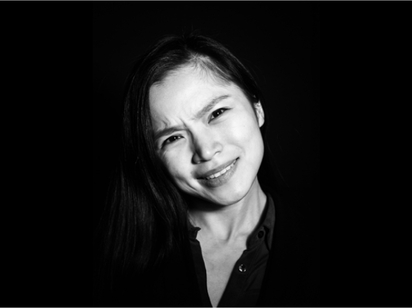
Lei Cao, Art Director at Ogilvy
A LISAA graduate, Lei Cao successfully entered the professional world by first working for Digitas and Publicis in China.
Driven by a desire to explore new horizons, she moved to Montreal, where she joined Geometry Global before becoming an Art Director at Ogilvy.
At Ogilvy, she manages advertising projects from start to finish, working closely with creative teams to deliver innovative campaigns for globally recognised brands.
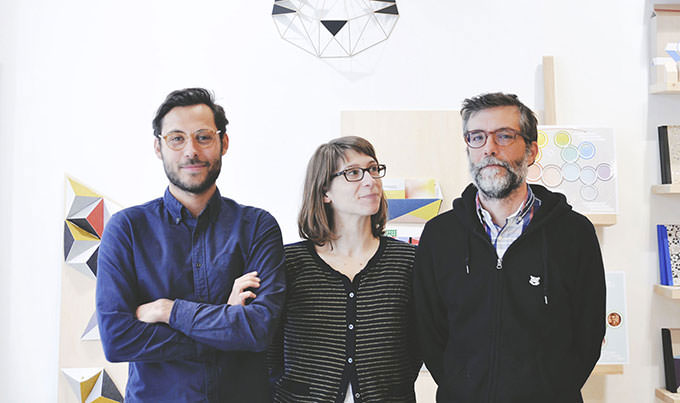
Agathe Demoulin, Co-founder of Papier Tigre
After studying graphic design at LISAA, Agathe Demoulin joined the visual communication agency Fake.
In 2011, she co-founded Papier Tigre and developed the brand around the creation of its own publishing projects, moving away from a service-based model.
Now known for its stationery, fashion, games, and decorative objects, Papier Tigre has grown by prioritising a local and environmentally responsible economy.
Admission requirements:
Initial program
Admission to Year 1
Applicants must hold a Level 4 qualification, a high school diploma (Baccalaureate), a DAEU, or an equivalent qualification (including foreign diplomas).
Admission to Year 2
Applicants must hold a Level 4 qualification, a high school diploma, a DAEU, or an equivalent qualification (including foreign diplomas), and have validated 60 ECTS credits in a relevant or closely related field (graphic design, communication, design, etc.).
Admission to Year 3
Applicants must hold a Level 5 qualification or an equivalent diploma (including foreign diplomas), or have validated 120 ECTS credits in a relevant or closely related field (graphic design, communication, design, etc.).
Work-study program (apprenticeship or professional training contract)
3-year program
Applicants must hold a Level 4 qualification, a high school diploma, a DAEU, or an equivalent qualification (including foreign diplomas).
2-year program
Applicants must hold a Level 4 qualification, a high school diploma, a DAEU, or an equivalent qualification (including foreign diplomas), and have validated 60 ECTS credits in a relevant or closely related field.
1-year program
Applicants must hold a Level 5 qualification or an equivalent diploma (including foreign diplomas), or have validated 120 ECTS credits in a relevant or closely related field.
How to apply:
Applications to LISAA are not processed through Parcoursup and remain open subject to availability until the end of September 2026.
Admission is granted following an admission interview and the presentation of an artistic portfolio.
Admission is based on an interview and the submission of an application file including a CV and a portfolio.
All admission procedures are available on the dedicated page.
Tuition fees:
Full details of tuition fees and additional costs are available on the dedicated page.
Acess timelines:
Admissions are open from October to September for an October intake.
Applications are processed within a maximum of three weeks after receipt of a complete file.
Applications to LISAA are not processed through Parcoursup and remain open subject to availability until the end of September 2026.
By way of exception, enrolment may be authorised after the start of the program, subject to an assessment of the student’s ability to catch up on missed coursework, within a maximum period of two months after the program start date.


The Bachelor’s Degree in Graphic Design is a three-year program designed to offer students a structured, comprehensive and professional pathway in the field of graphic design. The program progressively integrates the artistic, technical, methodological and professional skills required to practise as a graphic designer, including those related to the critical and creative use of artificial intelligence, now a key issue in the profession.
Throughout the program, students develop their creativity, visual culture, ability to respond to briefs, formulate intent, and build coherent graphic universes. They acquire a strong command of professional tools, both traditional and digital, and learn to integrate new technologies, such as generative AI and graphic automation tools, into their design processes.
Year 1: Fundamentals and creative exploration
The first year offers a generalist and transversal approach, exploring the major fields of graphic design (illustration, photography, typography, colour, computer graphics, motion design, UX/UI, etc.) while establishing solid foundations in drawing, composition, visual storytelling and artistic culture. Students also develop a critical perspective on the evolution of tools, particularly the growing role of AI in the creative workflow.
In the second and third years, students choose one of the following three specialisations:
- Illustration – to develop a distinctive visual identity and design expressive, narrative images across various media (publishing, press, advertising, etc.);
- Visual Communication – to design coherent graphic systems, define visual strategies and manage the entire creative process, from brief to delivery;
- Motion Design – to bring ideas to life through movement, creating animated and interactive content adapted to new digital formats and immersive uses.
Each specialisation deepens expertise in a specific field while reinforcing the transversal skills expected of contemporary graphic designers. Students learn to analyse briefs, propose well-argued creative responses, collaborate within multidisciplinary teams, and produce professional content for print, digital, web and animation.
The program aims to develop autonomy, adaptability, project culture and a strong understanding of the professional environment: designer status, copyright, calls for tender, client relations, project management, portfolio development and prospecting. Ethical issues, responsibility and the transformation of professions through AI are addressed throughout the program, preparing students to become conscious and agile professionals in the creative sector.
Transversal workshops, practical projects, a mandatory internship and a graduation project punctuate the program.
The objective is clear: to train creative, responsible and operational graphic designers, capable of joining studios, agencies or communication departments, or developing their own freelance activity, while being prepared to evolve in a constantly changing technological environment.
The Bachelor’s Degree in Graphic Design is based on an active and professional approach, promoting learning through practice, collaboration and regular exposure to professional requirements.
- On-campus courses led by teachers and professional practitioners, all experts in their fields (graphic design, illustration, typography, motion design, UX/UI, law, etc.), combining theoretical input, case studies and real-world feedback.
- Individual and group practical projects based on real briefs (from partner companies) or realistic simulated situations. These projects allow students to experience the full creative process: analysis, design, production, oral presentation and project defence using visual supports. Projects are assessed by instructors and/or industry professionals.
- Individual professional guidance, supporting internship and work-study searches, portfolio development, professional status (freelance or salaried), and market positioning.
- Regular interactions with design and creative industry professionals through career talks, workshops, masterclasses and agency or studio visits.
- E-learning modules complementing on-campus teaching, particularly for professional software, visual culture and sector monitoring.
- Practice-based learning (“learning by doing”), reinforced by a critical approach to contemporary tools, particularly AI tools applied to graphic design (image generation, creative task automation, assisted prototyping). Students experiment with these tools under supervision while developing a reflective stance on their uses, limits and ethical implications.
Continuous assessment
Throughout the three years of the Bachelor’s Degree in Graphic Design, students are continuously assessed to support learning progression and consolidate expected skills.
Assessment formats include:
- Coursework and studio deliverables (computer graphics, drawing, photography, motion design, etc.);
- Oral presentations and intermediate project reviews;
- Individual or group projects;
- Self-assessments and peer assessments;
- Simulated professional scenarios reflecting real commissions.
These assessments help students develop autonomy, rigour, analytical skills and creativity in conditions close to professional practice.
Certification assessment
The award of the Concepteur Designer Graphique – Level 6 certification (RNCP 40365) is based exclusively on professional situations, using real or simulated projects, assessed by a certification jury.
Skills are evaluated through concrete deliverables (reports, presentations, visual materials, portfolios), covering all competency blocks of the reference framework:
- Professional situation based on a graphic design project (brief analysis, research, planning, budgeting);
- Professional situation based on a real or simulated graphic design project (ideation, design, production, deliverables);
- Professional situation based on a visual identity project (brand guidelines, multi-channel applications);
- Professional situation based on a motion design project (storyboard, style frames, final animation);
- Professional situation based on an interface design project (UX/UI: architecture, wireframes, interactive mock-ups);
- Professional situation based on professional development (positioning, prospecting, online presence, portfolio).
Each situation is assessed according to criteria defined in the reference framework: quality of analysis, relevance of creative choices, mastery of tools, clarity of deliverables, compliance with technical and regulatory constraints.
A mandatory internship and a final graduation project also contribute to the assessment of professional readiness.
Reasonable accommodations may be implemented for candidates with disabilities, in accordance with the certification framework and on the recommendation of the certifying body’s disability advisor.
Certification is awarded upon validation of all competency blocks.